If you have ever watched a craps table on a busy Adelaide casino floor, you will notice most players cluster around the pass line while a smaller group quietly places come bets as the dice roll. The come bet explained in plain terms is simply a second pass line that starts after the point is already locked, letting you back a fresh number without waiting for the shooter to reset. I have edited enough iGaming copy over seventeen years to know that readers do not want another glossary entry; they want to know whether a mechanic rewards patience or simply burns through a balance. That judgement call shapes how we break this down, starting with who actually benefits from the slower rhythm.
Who the Come Bet Suits on a Live Table
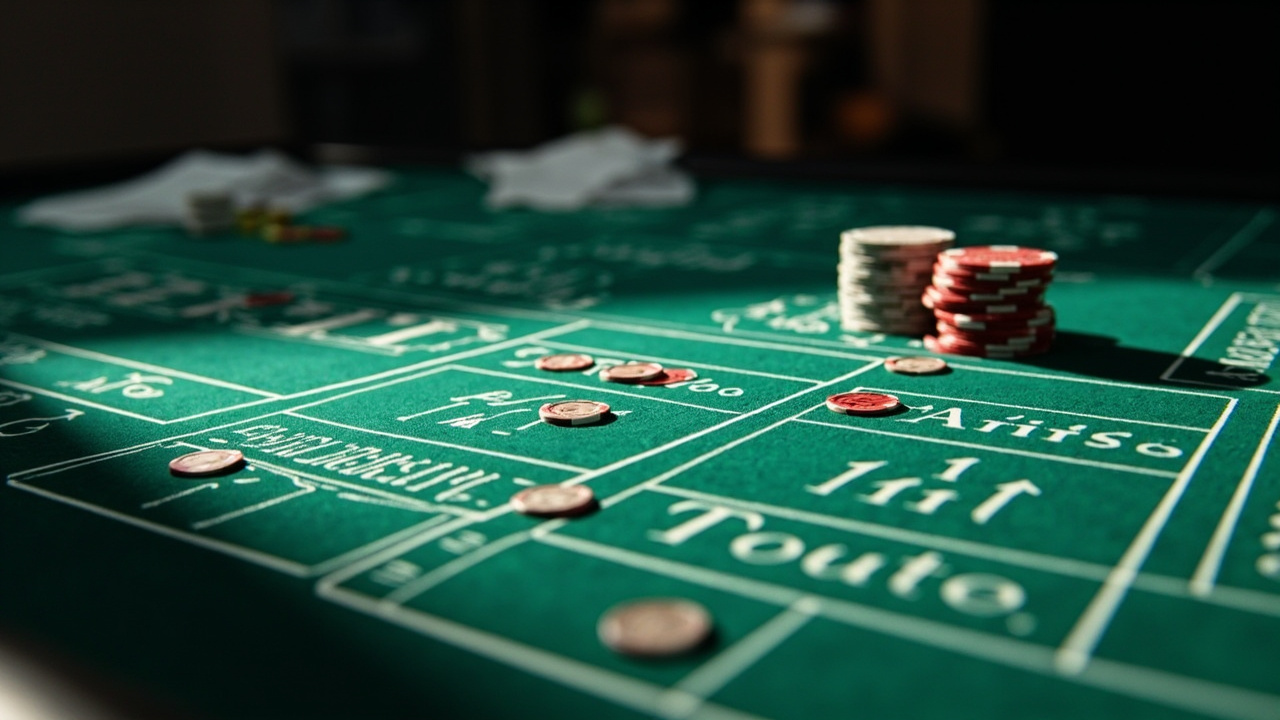
A come bet is not a universal play, and treating it like one is how casual bankrolls disappear between the third and fourth hour. In my experience running content for an iGaming publisher, the readers who stick with a table mechanic are the ones who can tolerate a delayed payoff while the dice keep moving. If you prefer a single decision per round and want the action to resolve quickly, the come bet will feel like dead time. If you are comfortable letting a second wager ride while the original point stays active, it gives you a way to stay involved without re-rolling the same pass line logic every time. The practical test is simple: watch a shooter hit a six, then see whether you would rather wait for a seven or keep a second number working in the background. Players who enjoy that kind of layered patience tend to stay seated longer, which is usually the difference between a session that runs out of steam and one that ends on a calm note.
How the Come Bet Resolves on the Table
When you place a come bet, your chip sits in the come box until the next roll, and that roll decides whether your wager moves to a numbered box or loses straight away. A seven or eleven on that first come roll pays the same way a pass line winner would, while a two, three, or twelve takes the bet down. Any other number becomes your personal point, and the dealer moves your chip to that box where it stays until it hits again or a seven rolls out. The odds are fixed by the layout, so there is no mystery in the payout once the point is set, only the question of whether you want to let a second number work while the table is already tied up on a main point. I have seen enough rushed copy describe this as a shortcut to action, when it is really a slower, parallel bet that rewards readers who understand the timing before they push chips forward.
| Come roll outcome | What happens to the wager |
|---|---|
| 7 or 11 | Bet wins immediately |
| 2, 3, or 12 | Bet loses immediately |
| 4, 5, 6, 8, 9, or 10 | Chip moves to that number box as a new point |
That table matters because the come bet explained in a hurry often skips the first-roll outcomes and jumps straight to the point phase, which is where most confusion starts. Once your chip is parked on a number, it behaves much like a pass line bet that has already found its point, only it is running on its own track while the shooter continues. The key detail for anyone reading this on a lunch break before an arvo session is that you are not doubling the same wager; you are starting a separate bet with its own resolution clock. That distinction is what separates a patient player from someone who thinks they have found a faster path to the same result.
Where the Come Bet Fits in an Australian Session
For an ordinary Australian reader, the come bet is less about chasing a big hit and more about how you structure a night at the tables without blowing through a set amount before the last bus home. Imagine you arrive with a fixed bankroll, play a few pass line rounds, and then notice the shooter has settled into a long point cycle. Rather than sitting on your hands, you can place a come bet so a second number is working while you wait, which keeps you in the game without forcing you to re-enter the same pass line rhythm every time the dice turn. That is the kind of practical use case I look for when I am judging whether a mechanic deserves space in a guide, because it affects how a regular punter actually budgets a session instead of how a theory looks on paper. If you are the type who prefers to keep your wagering spread thin and your decisions deliberate, the come bet can be a sensible add-on; if you are chasing quick resolution, it will probably feel like extra friction.
What to Check Before You Play Online
If you are weighing a digital craps table instead of a live floor, the come bet explained in a casino context still hinges on the same maths, but the surrounding setup matters more than the dice themselves. Licensing, account controls, and support are the pieces I check first when I am editing a review, because a clean table mechanic means little if the operator behind it leaves gaps in security or responsible-play tools. A solid operator will make registration clear, keep payment options and currency handling straightforward, and give you privacy controls that do not feel bolted on after the fact. You should also be able to find support that responds without making you hunt through a maze of pages, and the responsible-play tools should be visible before you deposit, not buried somewhere after you are already in. I have spent enough time vetting operators to know that the difference between a usable table and a frustrating one is usually in those background details, not in the layout of the bet itself. If you want to compare a platform that presents its table games in a way that suits Australian players, you can read more at tower-rush-online-au.com before you decide whether the environment matches your habits.
The come bet is a patient player’s tool, not a shortcut, and it rewards readers who understand that a second number working in the background is a choice about pacing rather than a promise of faster returns. If you can sit with that slower rhythm and keep your bankroll decisions deliberate, it can be a useful part of a session; if you want every roll to resolve immediately, you are better off sticking to the pass line and leaving the come box alone.